
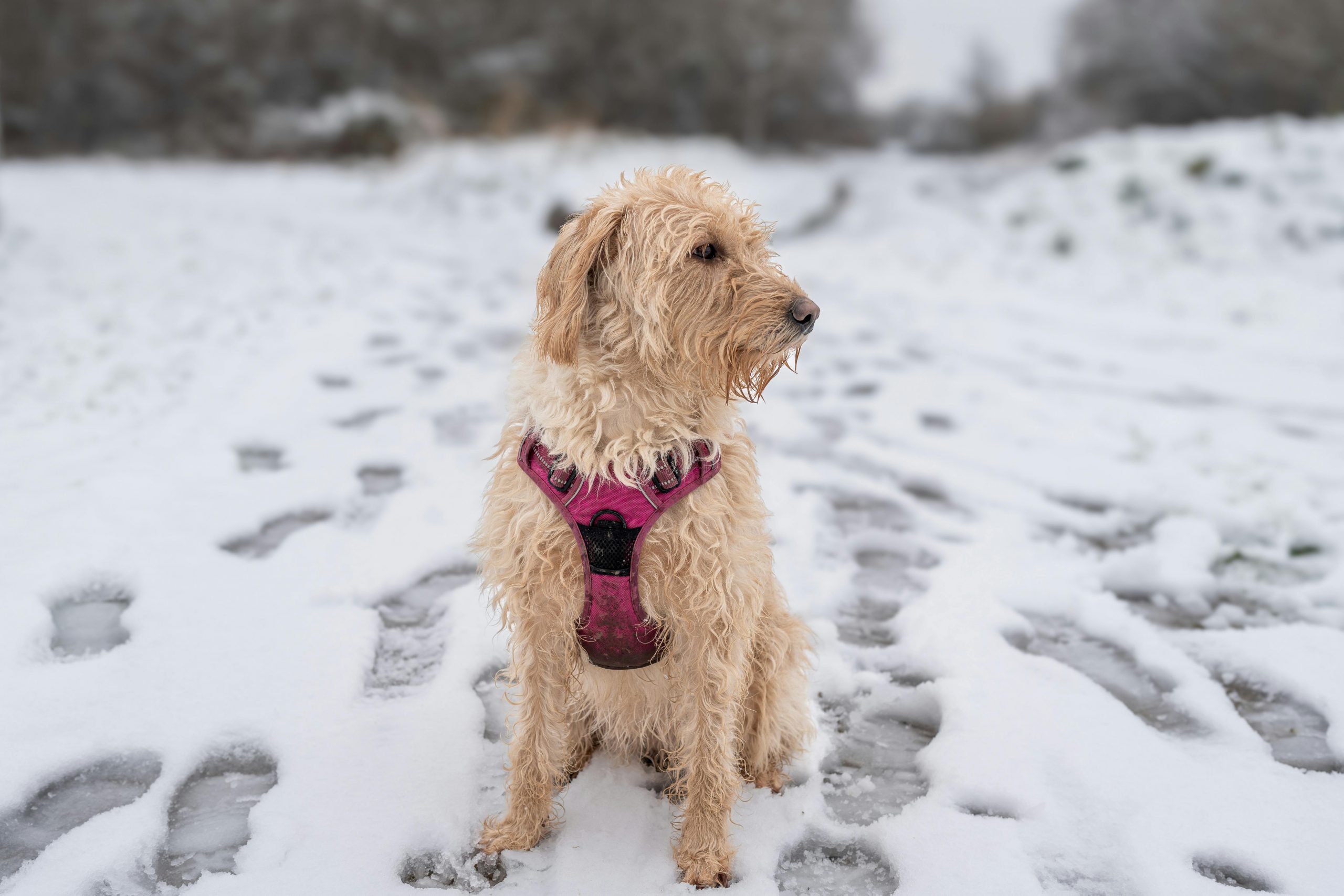
Is It Ever Too Cold to Walk Your Dog? What Dog Owners Should Know
This week in Thornhill, temperatures dropped to a bitter -20’C, and we heard the same question from many local dog owners. Is it actually safe to walk our dogs in this weather? With Canadian winters being as unpredictable as they are, it felt like the right time to share some practical guidance on when winter walks are helpful and when they may do more harm than good.
The honest answer is yes. There are times when walking your dog is not just uncomfortable, but genuinely unsafe. Cold air, wind, ice, and salt all add up, and not every dog handles winter conditions the same way.
How cold is too cold for dog walks?
There is no single temperature that applies to every dog. That said, once temperatures drop into deep cold, most dogs start to feel it much faster than we do.
According to the Canadian Veterinary Medical Association , dogs can be at risk of frostbite and hypothermia during extreme cold, especially when wind chill is involved. Smaller dogs, short haired breeds, puppies, senior dogs, and dogs with health issues tend to struggle first.
Rather than focusing only on the number on your weather app, it helps to watch your dog. If they seem reluctant, lift their paws repeatedly, slow down, or try to turn back, they are telling you they have had enough.
Why wind chill changes everything
Wind chill is often what makes a walk go from manageable to miserable.
A calm winter day can feel very different from a windy one, even if the temperature looks the same on paper. Wind strips warmth from your dog’s body quickly, especially around their ears, belly, paws, and nose. This is why checking the “feels like” temperature matters more than checking the high or low.
On windy days, even confident, cold tolerant dogs may need shorter walks.
Which dogs need extra care in winter?
Some dogs are simply built for the cold, while others are not.
Dogs with thin coats or low body fat lose heat quickly. Puppies and senior dogs have a harder time regulating their body temperature. Dogs with arthritis may find icy ground painful, and dogs with anxiety can become overwhelmed by harsh winter conditions.
If your dog already needs extra patience or structure, winter can be a good time to lean on consistent routines or extra support, including professional help with daily walks when conditions allow.
Winter hazards that often get overlooked
Cold weather brings more risks than temperature alone.
Ice can cause slips and joint injuries. Road salt can burn paw pads and upset stomachs if licked. Snow packed between toes can become painful very quickly. The Ontario SPCA regularly reminds dog owners that salt and ice exposure are common winter hazards.
Wiping paws after walks and keeping outings shorter can go a long way in preventing issues.
What to do when it really is too cold to go out
Some days, staying inside is the right choice. Skipping a walk does not mean skipping your dog’s needs.
Dogs still need movement, mental stimulation, and engagement, even when the weather is brutal. Indoor games, simple training exercises, scent work, and enrichment activities can help burn energy safely.
These kinds of activities are especially useful for high energy dogs or dogs who rely heavily on routine.
Making winter walks safer when you do go out
When conditions allow, preparation makes a big difference.
Shorter walks are often safer than pushing through a full routine. Some dogs benefit from a properly fitted coat. Paw protection or a quick wipe after walks helps remove salt and ice. Most importantly, stay flexible. Turning back early is not a failure. It is good judgement.
A final thought
Winter care is about listening to your dog, not proving toughness. Cold weather does not cancel your dog’s need for consistency, but it does ask for adjustments.
If winter conditions make daily routines harder to manage, exploring flexible dog walking and dog sitting options can help keep your dog comfortable and cared for. You can learn more about our services here.
Quick Questions Dog Owners Ask in Winter
How do I know if my dog is too cold on a walk?
Look for shivering, lifting paws, slowing down, refusing to move, or trying to turn back.
Is wind chill more important than the actual temperature?
Often, yes. Wind can pull heat away fast, especially from paws, ears, and belly.
Are salted sidewalks a real problem?
Yes. Salt can irritate paw pads and can cause stomach upset if your dog licks it off.
Do indoor activities really count instead of a walk?
They do. Training games, scent work, and indoor play can meet your dog’s needs on extreme weather days.
Should I shorten walks even if my dog seems excited to go?
Excitement is normal, but cold can still build up quickly. Shorter, safer walks are usually the smarter call.
Key Takeaways
- There are times when it is genuinely too cold to walk safely
- Wind chill can change conditions fast
- Small, short haired, senior, and puppy dogs usually need extra caution
- Ice and road salt are major winter hazards
- Indoor enrichment is a great backup when winter is extreme
0 Comments